
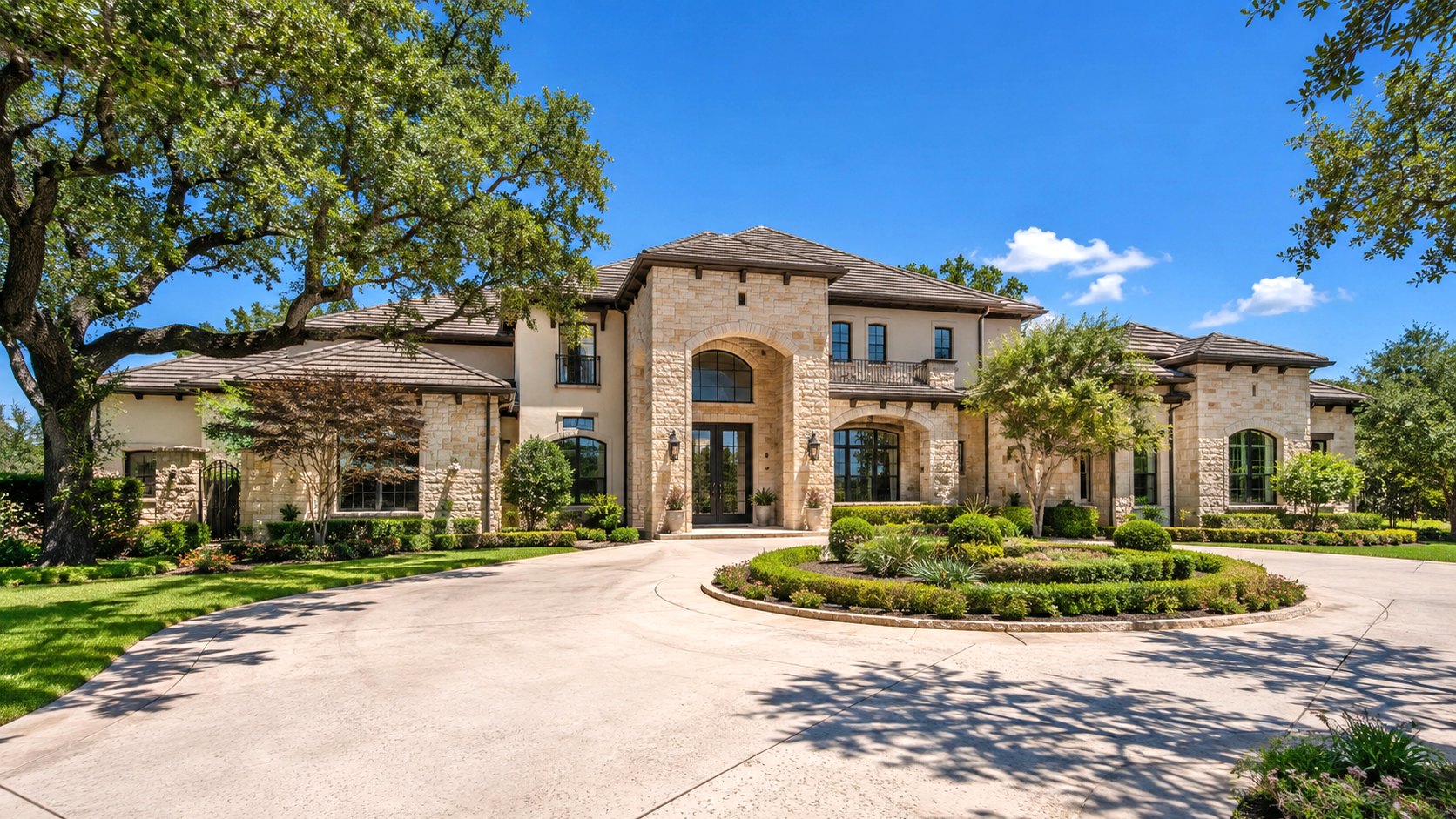
Latino family outside a San Antonio-style home for ITIN mortgage buyers without a Social Security Number
HomeBlog › ITIN Home Loans

ITIN Home Loans in San Antonio: How to Buy a Home Without a Social Security Number

Maribel ‘Bel’ Thanadabouth, bilingual San Antonio Realtor
By Maribel “Bel” Thanadabouth, bilingual San Antonio Realtor · Updated June 3, 2026 · ~7 min read
Short answer

Yes — you can buy a home in San Antonio without a Social Security Number. If you file taxes with an ITIN, you can qualify for an ITIN mortgage: a specialty non-QM or portfolio loan offered by community banks, credit unions, and non-QM lenders. Plan on a larger down payment (often about 10–20% in 2026) and more paperwork than a conventional loan — but homeownership is absolutely within reach, and the Texas homestead exemption still applies once you own.

En español: Sí se puede comprar casa en San Antonio sin Seguro Social. Con tu ITIN puedes calificar para un préstamo especial (“ITIN”), normalmente con más enganche y más documentos. Como agente bilingüe, te explico cada paso en español y te conecto con prestamistas que trabajan con ITIN.

One of the most common questions I hear from Spanish-speaking families across San Antonio is some version of: “Bel, can we even buy a house if we don’t have a Social Security Number?” The answer is yes — and more lenders offer the right loan than most buyers realize. As a bilingual Realtor working throughout Bexar County and the Hill Country, I guide ITIN buyers through the whole journey, from understanding the loan to picking up the keys.

This guide explains how ITIN home loans work in 2026, what you’ll need to qualify, how property taxes and the homestead exemption apply to ITIN owners, and how an ITIN purchase differs from a DACA one. The figures below are general planning ranges — your lender and I will build exact numbers for your situation before you shop.

What is an ITIN home loan?

An ITIN home loan is a mortgage for buyers who file U.S. taxes with an Individual Taxpayer Identification Number instead of a Social Security Number. The IRS issues ITINs to people who need to file taxes but cannot get an SSN, which includes many immigrant and non-resident homebuyers. With an ITIN loan, that number is used for identification and tax reporting in place of an SSN.

The key thing to understand is that ITIN loans are almost always non-QM (non-qualified mortgage) or portfolio loans. They do not fit the standard Fannie Mae, Freddie Mac, FHA, VA, or USDA rules — those programs require an SSN. Instead, the lender uses its own underwriting guidelines and often keeps the loan in-house. You can learn more about ITINs directly from the IRS ITIN page, and about your rights as a borrower from the Consumer Financial Protection Bureau.

Because these are specialty products, the right fit matters. Some buyers assume they’re locked out of homeownership entirely; in reality, the path simply looks a little different from a conventional loan.

How much down payment do you need in 2026?

This is usually the first practical question, and the honest answer is: it depends on the lender and your profile. Across Texas ITIN programs in 2026, here is a realistic picture:

Buyer profileTypical down paymentWhat helps
Strong file (solid credit, 2 yrs taxes, stable income)~10–20% downHigher credit score, larger reserves
Thinner credit or documentation~20–25%+ downAlternative credit, co-borrower, more savings
Self-employed (bank-statement income)~15–25% down12–24 months of clean bank statements

Ranges are general 2026 planning figures and vary by lender; your actual terms depend on credit, income, and the specific program.

Remember to budget beyond the down payment, too: closing costs, a few months of reserves, and an inspection. If saving the down payment is the hurdle, it’s worth reviewing our San Antonio down payment assistance guide — some local programs have residency and income criteria, so we’ll confirm what you qualify for.

Credit and documents: what lenders ask for

ITIN underwriting leans more on documentation than a quick automated approval, so coming prepared makes everything smoother. Most 2026 ITIN programs look for some combination of:

On credit, many ITIN lenders look for a score in the 620–660+ range when you have U.S. credit history. If your credit file is thin, some programs accept alternative credit — a documented history of rent, utilities, phone, or insurance payments. This is one reason it pays to start the conversation early: we can spot gaps and strengthen your file before you make an offer. Our first-time home buyer guide for San Antonio walks through the broader timeline.

Property taxes and the homestead exemption for ITIN owners

Here’s a piece of good news that surprises many buyers: the Texas residence homestead exemption is based on ownership and primary residency — not citizenship or a Social Security Number. Under state law, you generally qualify if you own the home (even partial ownership), it’s your principal residence, and you’re not claiming a homestead elsewhere.

In practice, an ITIN owner in Bexar County who is on title, lives in the home as a primary residence, and holds a Texas driver’s license or ID matching the property address can typically apply for the general residence homestead exemption through the Bexar Appraisal District (BCAD). The exemption can lower your taxable value and help cap how fast it rises year to year. You can review the statewide rules on the Texas Comptroller’s exemptions page.

Because Texas leans on property taxes to fund schools and services (there’s no state income tax), this exemption matters to your monthly budget. For the full picture, see our San Antonio property taxes explained guide — we factor the tax line into your buying power from day one.

ITIN vs. DACA: they’re not the same thing

People often blend these together, but for a mortgage they’re very different:

TopicITIN buyer (no SSN)DACA buyer (has SSN)
Loan typeNon-QM / portfolio ITIN programOften conventional; sometimes FHA
Typical down payment~10–20%+As low as 3–5% on some programs, depending on documents
SSN requiredNo — ITIN is usedYes — SSN and work authorization
UnderwritingMore manual; alternative credit OKStandard credit/income guidelines

In short: a DACA recipient usually has a Social Security Number and work permit, which often opens the door to conventional financing with a smaller down payment. An ITIN-only buyer typically uses a specialty non-QM program with a larger down payment and higher rate. Knowing which lane you’re in changes the strategy — and that’s exactly the kind of thing we sort out together at the start.

How I help ITIN buyers in San Antonio

Buying a home is a big step in any language, and it can feel even bigger when the loan itself is unfamiliar. My job as your bilingual agent is to make it clear and calm:

If you’d like to dig deeper into bilingual service, see my pages on working with a bilingual Realtor in San Antonio and a Spanish-speaking Realtor in San Antonio. Prefer to read the homebuying basics in Spanish? Start with our guía para comprar casa en San Antonio.

Every family’s situation is different, so the best next step is a quick conversation. Bring your questions — there’s no such thing as a silly one when it comes to buying your first home.

Ready to explore an ITIN home purchase?

Let’s review your situation, connect you with the right lender, and build a plan to buy with confidence in San Antonio. Se habla español.

Call or text (210) 932-3606

Frequently asked questions

Can I buy a house in San Antonio without a Social Security Number?

Yes. If you file taxes with an ITIN, you can buy a home using an ITIN mortgage — a specialty non-QM or portfolio loan from community banks, credit unions, and non-QM lenders. Expect a larger down payment and more documentation than a conventional loan, but it makes homeownership possible for many Spanish-speaking and immigrant families in Bexar County.

How much down payment do I need for an ITIN loan in Texas?

It varies by lender, but a realistic 2026 range is about 10–20% down for a strong applicant, and 20%+ when credit or documentation is thinner. Budget for closing costs and a few months of reserves on top. I can introduce you to ITIN lenders and help you set a savings target.

Can an ITIN homeowner get the Texas homestead exemption in Bexar County?

Generally yes. The Texas homestead exemption is based on ownership and primary residency — not citizenship or SSN. If you’re on title, the home is your principal residence, and your Texas ID matches the property address, you can typically apply through the Bexar Appraisal District.

What’s the difference between an ITIN loan and a DACA mortgage?

An ITIN is only a tax ID for people without an SSN, so ITIN buyers usually use non-QM programs with a larger down payment. DACA recipients typically have an SSN and work authorization, which often allows conventional financing with as little as 3–5% down. The right loan depends on your documents.

Does Bel the Realtor help Spanish-speaking buyers with ITIN purchases?

Yes. I’m a bilingual (English/Spanish) San Antonio Realtor who guides ITIN buyers through the whole process — connecting you with ITIN-friendly lenders, explaining documents in plain Spanish, and negotiating your purchase. Call or text (210) 932-3606. Se habla español.

Maribel ‘Bel’ Thanadabouth, bilingual San Antonio real estate agent

About Bel the Realtor

Maribel “Bel” Thanadabouth is a bilingual (English/Spanish) San Antonio real estate agent with Home Pros Real Estate Group, helping first-time buyers, ITIN buyers, families, investors, VA buyers, and relocating households across San Antonio and the Hill Country. Meet Bel →