
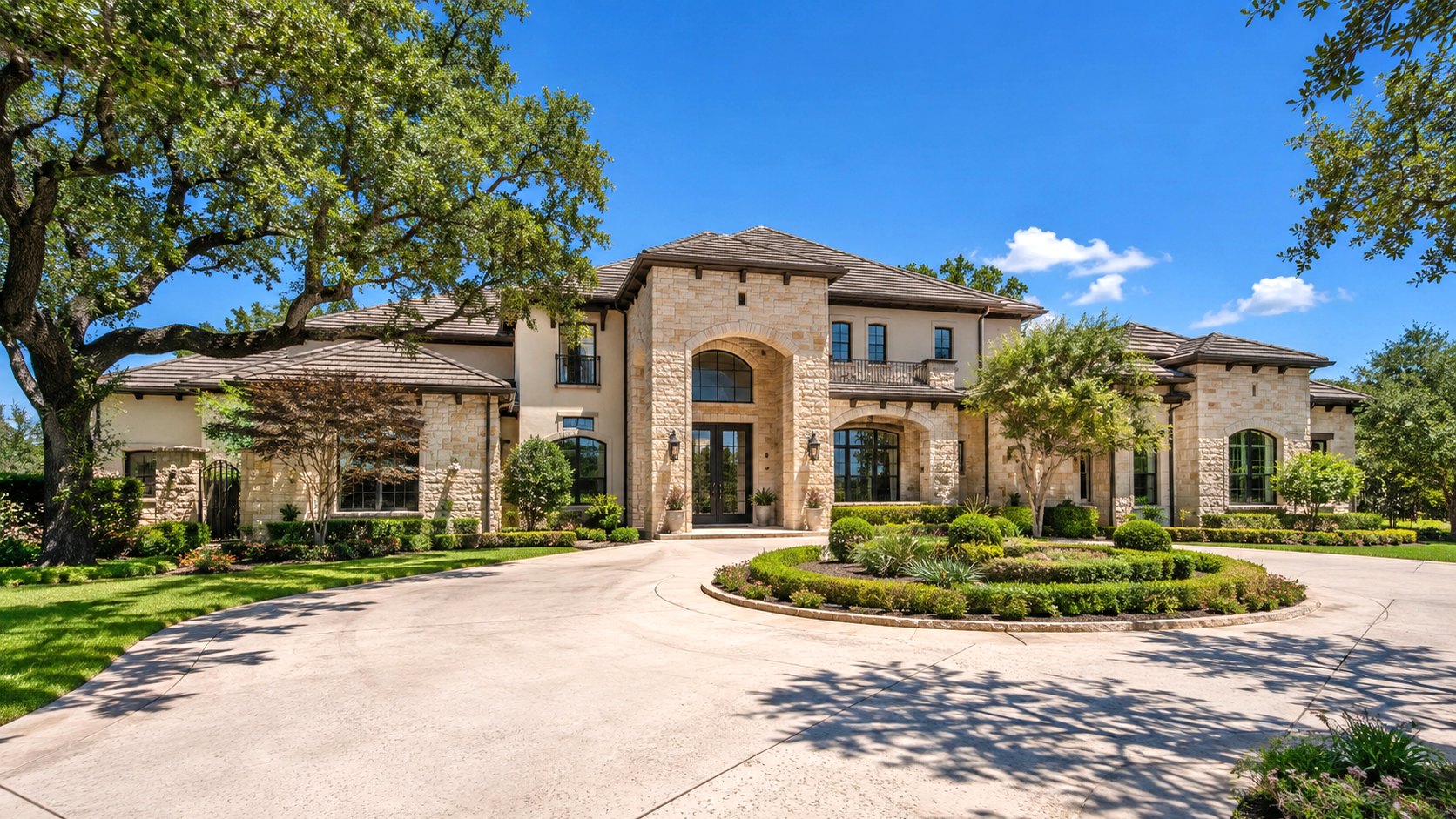
In 2026, renting in San Antonio usually has the lower monthly cost, but buying tends to win financially once you stay about four to six years or longer. Renting wins on flexibility and lower upfront cash; buying wins on building equity, a fixed principal-and-interest payment, and Texas homestead tax protection. The right call comes down to how long you’ll stay and your real monthly numbers — not a one-size-fits-all rule.
It’s the question I hear most from families weighing their first move: “Bel, are we throwing money away on rent, or would buying just stretch us too thin?” Both can be the right answer — it truly depends on your situation. As a bilingual San Antonio real estate agent working across Bexar County and the Hill Country, my job isn’t to push you to buy; it’s to help you run honest numbers so you can choose with confidence.
This guide walks through what renting and buying really cost in San Antonio in 2026, a simple break-even framework, the hidden costs on both sides, and the life questions that often matter more than the math. The figures below are general 2026 planning ranges — we’ll build exact numbers for your situation before you decide anything.
The 2026 San Antonio numbers, side by side
Start with the local reality. Here’s a snapshot of typical San Antonio housing costs in 2026, drawn from widely cited market trackers. Treat these as ballpark ranges, not quotes — your block, school district, and lender change the picture.
| Cost factor | Typical 2026 range | Notes |
|---|---|---|
| Median home sale price | ~$260,000–$272,000 | Brackets reported by major trackers in spring 2026 |
| Apartment rent | ~$1,075–$1,541/mo | Varies by source and unit mix |
| Single-family house rent | ~$1,600–$2,000+/mo | Houses rent above apartment averages |
| 30-year fixed mortgage rate | ~6.4%–6.6% | Texas benchmark, early June 2026 |
| Combined property tax | ~2.0%–2.5% of taxable value | Lowered by the homestead exemption |
Ranges are general 2026 planning figures from commonly cited sources (Redfin, Zillow, Apartments.com, Zumper, Bankrate) and vary by methodology, neighborhood, and date. You can review the basics of comparing the two paths on the CFPB’s owning-a-home resources.
What buying actually costs per month
The sticker price isn’t your monthly cost. To compare fairly with rent, look at the full PITI payment — principal, interest, taxes, and insurance. Here’s an illustrative 2026 example for a mid-range San Antonio home, before any homestead savings:
| Line item | Illustrative estimate |
|---|---|
| Home price | $275,000 |
| Down payment (10%) | $27,500 |
| Principal & interest (~6.5%, 30-yr) | ~$1,565/mo |
| Property taxes (~2.3%/yr) | ~$525/mo |
| Homeowners insurance (estimate) | ~$200/mo |
| Approximate total (PITI) | ~$2,290/mo |
Illustrative only; not a loan offer or quote. Mortgage insurance may apply under 20% down, and the homestead exemption typically reduces the tax line once you own and qualify.
Compared with roughly $1,600–$2,000 to rent a similar house, owning often costs a few hundred dollars more per month at first. But two things change that comparison over time: a big slice of your payment builds equity instead of disappearing, and your principal-and-interest stays fixed while rents tend to rise. To pressure-test what you can comfortably carry, walk through our San Antonio homebuyer budget guide.
The break-even rule: how long until buying wins?
The single most useful question in the rent-vs-buy debate is “how long will I stay?” Buying carries upfront costs (down payment, closing costs) and back-end costs (agent commission, closing costs when you sell). Spread those over a short stay and renting usually wins; spread them over many years and buying pulls ahead.
For most San Antonio buyers in 2026, the break-even point lands somewhere around three to six years, depending on price, rate, down payment, and how fast values rise. A quick way to gut-check it:
- Staying under ~2 years? Renting is usually the safer financial choice.
- Staying ~3–5 years? It’s a closer call — the numbers and your job stability decide it.
- Staying 5+ years? Buying typically comes out ahead, especially with a fixed payment.
Another fast screen is the price-to-rent ratio — home price divided by annual rent. With San Antonio homes near $260k–$272k and comparable house rents around $1,600–$2,000/month, the ratio sits in the mid-teens. As a rough guide, under ~15 leans buy, 16–20 is a toss-up, and 21+ leans rent. San Antonio’s mid-range reading means buying can pay off for people planning to put down roots. The Freddie Mac research center is a solid, neutral place to read more on these trade-offs.
When renting is the smarter move
Buying isn’t a moral victory and renting isn’t “throwing money away.” Renting genuinely wins when:
- You might relocate or PCS within a year or two (common for our military families near Lackland, Randolph, and Fort Sam Houston).
- Your income or job is still settling, or you’re paying down debt to qualify for a better rate.
- You haven’t saved the down payment, closing costs, and a cushion yet — renting buys you time to build that without risk.
- You want zero responsibility for repairs, a new roof, or a surprise AC replacement in a Texas summer.
If saving the down payment is the only thing standing between you and ownership, don’t count yourself out yet — several San Antonio down payment assistance programs can shrink the cash you need, and we’ll confirm what you qualify for.
When buying is the smarter move
Buying tends to be the stronger long-term play when:
- You plan to stay several years and want a fixed principal-and-interest payment instead of annual rent hikes.
- You want to build equity — each payment chips at the loan, and San Antonio has historically seen steady, if no longer red-hot, appreciation.
- You’ll claim the Texas residence homestead exemption, which lowers taxable value and caps how fast it can rise each year. See our San Antonio property taxes explained guide and the Texas Comptroller exemptions page.
- You value stability and control — paint the walls, plant a garden, keep the dog, and stay put.
Texas has no state income tax, which is part of why property taxes feel higher here — but the homestead exemption and a fixed mortgage are real tools that renting simply doesn’t offer. First time through the process? Our first-time home buyer guide for San Antonio lays out the full timeline.
Don’t forget the hidden costs on both sides
An honest comparison includes the costs people tend to skip:
| Renting | Buying |
|---|---|
| Annual rent increases at renewal | Closing costs (often ~2–5% of price) |
| Security deposit & pet deposits | Repairs, maintenance, and a reserve fund |
| Renters insurance | Homeowners insurance & possible HOA dues |
| No equity or tax benefits | Selling costs later (agent fees, closing) |
For a full picture of monthly life beyond the mortgage — utilities, insurance, commuting — pair this with our cost of living in San Antonio 2026 guide. Seeing every line item is how you avoid surprises after you move in.
How I help you decide — in English or Spanish
Numbers are only half of it; the rest is your life — your job, your family, how long you want to stay, and how much certainty helps you sleep at night. As your bilingual agent, here’s how I make the decision clear and calm:
- Run your real comparison. We plug in your target price, down payment, rate, taxes, and timeline — then look at the break-even point together.
- Explain every number in plain English or Spanish. No jargon, no pressure — just clarity.
- Connect you with the right lender when you’re ready, so your rate and program fit your situation.
- Tell you the truth. If renting another year is smarter for you, I’ll say so — that’s how I earn clients for life.
Want to read more about working together? See my pages on hiring a bilingual Realtor in San Antonio and a Spanish-speaking Realtor in San Antonio, or meet me on the San Antonio Realtor page. Prefer to read the homebuying basics in Spanish? Start with our guía para comprar casa en San Antonio.
There’s no wrong question here. Whether you lean rent or buy, a quick conversation will turn a stressful “what if” into a clear plan.
Not sure whether to rent or buy?
Let’s run your real numbers — rent, target price, taxes, and timeline — and find your break-even point together. No pressure, just clarity. Se habla español.
Call or text (210) 932-3606Frequently asked questions
Is it better to rent or buy a home in San Antonio in 2026?
It depends on how long you’ll stay and your monthly budget. In 2026, renting often costs less per month than buying a comparable home once you add taxes and insurance — but buying builds equity and locks your principal-and-interest payment, so it usually wins financially if you stay about four to six years or longer. Compare your all-in monthly cost both ways and estimate your break-even point first.
How long do I need to stay to make buying worth it?
For most San Antonio buyers, the break-even point falls around three to six years, depending on price, down payment, rate, and appreciation. The shorter your stay, the more renting makes sense, because closing and selling costs are spread over fewer years. Planning to move within two years? Renting is usually safer financially.
What is the price-to-rent ratio in San Antonio?
It divides a home’s price by its annual rent. With typical homes near $260k–$272k and comparable house rents around $1,600–$2,000/month in 2026, San Antonio’s ratio sits in the mid-teens. Under ~15 leans buy, 16–20 is a closer call, and 21+ favors renting — so the mid-range numbers mean buying can pay off if you plan to stay several years.
Does owning in San Antonio cost more per month than renting?
Often yes at first. A mortgage on a roughly $275k home with 10% down, plus Bexar County taxes and insurance, can run higher than rent on a similar house in 2026. But part of every payment builds equity, the principal-and-interest portion is fixed, and the homestead exemption lowers taxable value — so over time the math usually shifts toward owning.
Can a bilingual San Antonio Realtor help me decide whether to rent or buy?
Yes. I’m a bilingual (English/Spanish) San Antonio Realtor who will run your real numbers — rent, target price, down payment, taxes, and timeline — and walk through the trade-offs in English or Spanish with no pressure. Call or text (210) 932-3606. Se habla español.
