
Selling Your San Antonio Home As-Is in 2026: A Seller’s Guide
What an as-is sale really means in San Antonio — disclosure duties, pricing for condition, inspections and buyer financing — so you can decide whether it fits your situation.
Quick answer
What does selling a San Antonio home as-is mean?
Selling a San Antonio home as-is means offering it in its current condition and handling repairs through price and terms rather than a repair list. Buyers can still inspect, lenders may still require certain repairs, and Texas sellers still need to disclose known material conditions on the Seller’s Disclosure Notice.
On this page
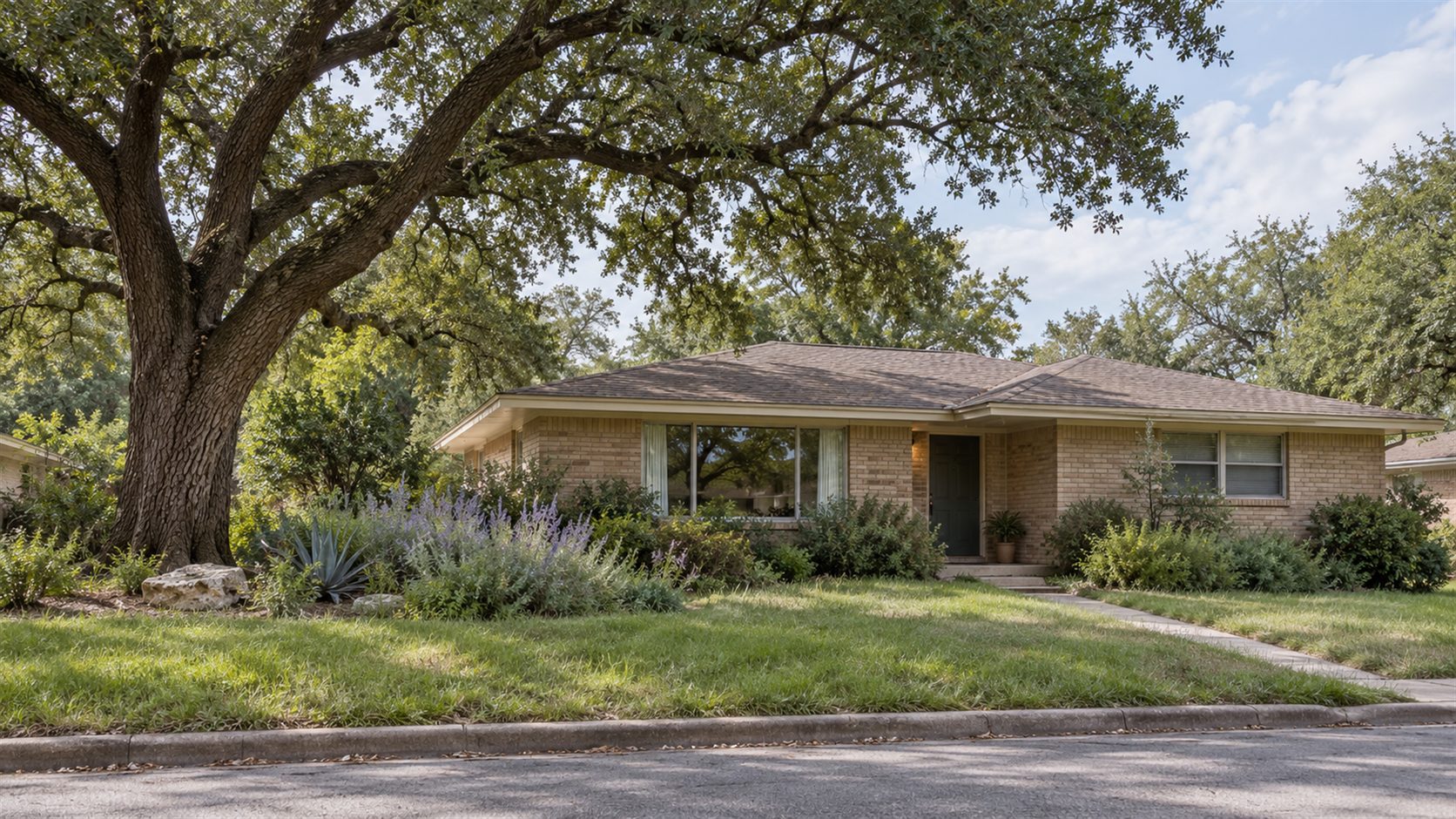
What does “as-is” really mean in San Antonio?
Selling a San Antonio home as-is does not mean hiding problems or refusing every buyer question. It means the seller is making clear, usually from the beginning, that the property is being offered in its current condition and that repair negotiations will be limited or handled through price and terms instead of a long punch list. Buyers still have the right to inspect, lenders may still have property-condition requirements, and sellers still need to disclose known material facts.
This matters because many owners use the phrase “as-is” too loosely. A home can be as-is because it is inherited, dated, occupied by tenants, cosmetically rough, in need of major repairs, or simply because the seller wants a cleaner move. Each situation needs a different pricing and marketing strategy.
When does an as-is sale make sense?
An as-is approach can work well when the seller does not have time, cash, or bandwidth to complete repairs before listing. It can also make sense when the likely buyer pool includes investors, cash buyers, renovation-minded owner occupants, or buyers using a renovation loan. In San Antonio, this can show up with older homes near the urban core, inherited properties, rental homes, estate sales, and houses where deferred maintenance is visible.
- The seller needs speed or simplicity more than maximum retail presentation.
- The home needs repairs that would be hard to coordinate before listing.
- The owner wants transparent pricing instead of negotiating every repair item.
- The likely buyer understands renovation risk and can close with the right financing.
How should you price an as-is home?
Pricing is the most important part of an as-is sale. Buyers will not ignore repairs just because the listing says as-is; they will estimate the cost, add a risk cushion, and compare the home with renovated alternatives. A smart price looks at recent comparable sales, then adjusts for condition, market time, buyer financing limitations, insurance issues, and the amount of work needed after closing. Ask for a net sheet as well — the Texas closing costs guide shows which costs sellers customarily pay, and the concessions vs. price reductions guide helps when a buyer asks for a credit after inspection.
Bel helps sellers review the likely repair objections before the home goes live. That way the listing can tell the right story: what is strong about the property, what needs attention, and why the price makes sense. The goal is not to scare buyers away or oversell the home; the goal is to attract serious buyers who understand the opportunity.
Do inspections and disclosures still apply?
Even in an as-is sale, a buyer may order an inspection and may still ask for repairs, credits, or a price adjustment. The seller can say no, but the contract, option period and financing type determine what happens next. Some loan programs may require certain health, safety or habitability issues to be addressed before closing. That is why an as-is strategy should include a plan for inspection surprises and lender-required conditions.
Sellers should be prepared to disclose known issues clearly and keep communication factual. If the roof is older, the HVAC needs service, plumbing has known problems, or foundation movement has been observed, the safer strategy is to disclose and price accordingly. Transparency helps reduce last-minute conflict.
Texas seller’s disclosure: under Texas Property Code § 5.008, most sellers of a single-dwelling home must give the buyer a Seller’s Disclosure Notice on or before the contract’s effective date; if it’s late, the buyer can terminate within seven days of receiving it. Some transfers are exempt, including certain estate and fiduciary transfers, foreclosures, and transfers between co-owners or to a spouse or direct relative (§ 5.008(e)). Use the current TREC Seller’s Disclosure Notice and ask a Texas real estate attorney whether an exemption applies to your sale. The Texas Seller’s Disclosure Notice guide explains how to prepare it.
How Bel helps as-is sellers
Bel can help decide whether to list as-is, complete a small set of repairs, or price for a buyer who will handle the work. The process includes reviewing condition, likely buyer type, timing, net proceeds, showing access, photos, disclosure questions and negotiation posture. For Spanish-speaking sellers or inherited-property situations, Bel can also explain the selling steps in Spanish so everyone understands the tradeoffs before signing. If you decide a more traditional listing fits better, the 10 tips for selling your San Antonio home cover preparation step by step.
The best as-is sale is not a rushed sale; it is an honest, well-priced sale with fewer surprises. That starts with a clear plan before the first showing. Learn more about Bel’s San Antonio home-selling services.
Frequently asked questions
Do I still have to disclose problems if I sell as-is in Texas?
Selling as-is limits repair negotiations; it doesn’t remove Texas disclosure duties for known conditions. Most sellers of a single-dwelling home must give the Seller’s Disclosure Notice under Property Code § 5.008 unless an exemption applies, so confirm with a Texas real estate attorney.
Can a buyer still inspect a house sold as-is?
Yes. A buyer can still order inspections and may ask for repairs, credits or a lower price. The seller can say no, and the contract, option period and the buyer’s financing determine what happens next.
Will a lender require repairs on an as-is sale?
Some loan programs may require certain health, safety or habitability issues to be addressed before closing. Ask early which financing the buyer is using, and price with the likely financing in mind.
Is selling as-is the same as selling to a cash buyer?
No. An as-is listing can attract investors, cash buyers, renovation-minded owner-occupants and buyers using renovation loans. Pricing from comparable sales adjusted for condition lets you compare those offers on net proceeds.
Sources
Sources retrieved October 3, 2026. Rules and amounts can change; confirm with the agency or professional named before relying on them.
- Texas Property Code § 5.008 (seller’s disclosure): statutes.capitol.texas.gov
- TREC — Seller’s Disclosure Notice, Form 55-1: trec.texas.gov
Equal Housing Opportunity. Information is provided for general real estate guidance and is not legal, tax, lending, or inspection advice, and is not a guarantee of financing approval, sale price, or future market results. Confirm disclosure questions with a Texas real estate attorney.
Talk through an as-is sale
Maribel “Bel” Thanadabouth is a Texas licensed real estate sales agent sponsored by Home Pros Real Estate Group, serving the San Antonio metro in English and Spanish. Bel can help decide whether to list as-is, make a few repairs first or price for a buyer who will handle the work. Call (210) 932-3606 or contact Bel.