
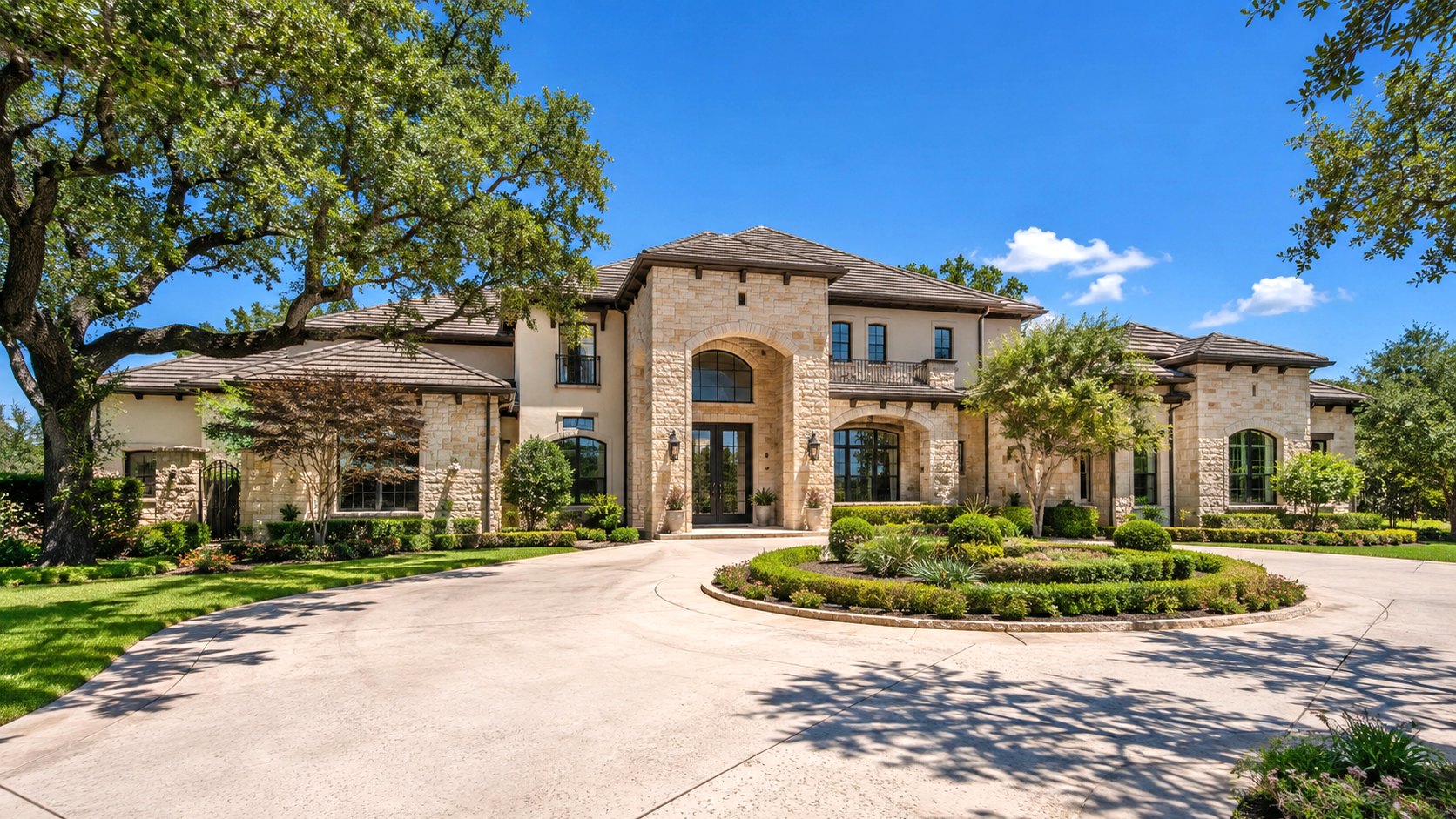
San Antonio neighborhoods compared — Stone Oak vs Alamo Heights guide
HomeBlog › Stone Oak vs. Alamo Heights

Stone Oak vs. Alamo Heights: San Antonio Neighborhood Guide

Maribel 'Bel' Thanadabouth, bilingual San Antonio Realtor
By Maribel "Bel" Thanadabouth, bilingual San Antonio Realtor · Updated June 1, 2026 · ~8 min read
Short answer

Alamo Heights is a walkable, close-in community with historic charm, a tightly regarded independent school district, and quick access to downtown San Antonio. Stone Oak is a newer, master-planned suburban corridor in far-north San Antonio with larger homes, HOA amenities, and a wide selection of newer builds. Both are premium, desirable areas — the right one depends on your commute, lifestyle pace, school priorities, and the type of home you want.

One of the questions I field most often from buyers relocating to San Antonio — and from locals who are ready to move up — is some version of: "Should we look at Alamo Heights or Stone Oak?" It is a great question because these two neighborhoods represent genuinely different versions of premium San Antonio living. They sit on opposite ends of the city geographically, and the gap in character is just as wide as the distance on the map.

I work with buyers in both areas regularly. Here is my honest, side-by-side breakdown — no hype, just what you actually need to know to make a confident decision. For current pricing and available inventory, reach out directly because those figures shift with the market. What does not shift is the character of each place, and that is what this guide covers.

Location and geography

Understanding where each neighborhood sits in San Antonio explains almost everything else about it.

Alamo Heights is an incorporated municipality entirely surrounded by the City of San Antonio, located just a few miles north of downtown. You can be on the River Walk in under fifteen minutes on a good traffic day. The Broadway corridor runs through it, putting restaurants, boutiques, and cultural institutions essentially at your doorstep. The Medical Center, the Pearl district, and Brackenridge Park are all nearby. Alamo Heights is inner-loop living in the truest sense.

Stone Oak sits in the far north of San Antonio, roughly along US-281 north of Loop 1604. It began developing as a master-planned community in the early 1990s and has grown into one of the city's most recognizable suburban corridors. The trade-off for that space and newness is distance: downtown San Antonio is typically a thirty-to-forty-five-minute drive during rush hour, depending on exactly where you are. If you work in the north medical corridor near Loop 1604, or your job is based near the Stone Oak Parkway office parks, that commute math flips entirely in Stone Oak's favor.

For a broader look at how these fit into San Antonio's overall geography, see our San Antonio luxury neighborhood guide.

Homes and housing stock

The physical difference between these two neighborhoods is stark — and it matters a great deal depending on the kind of home you want.

Alamo Heights has a classic, established housing stock. Many homes were built in the mid-twentieth century or earlier, and the neighborhood's mature live oak canopy reflects that age in the best possible way. You will find bungalows, craftsman homes, updated colonials, and occasional contemporary infill builds on compact, walkable lots. Renovated homes here often retain original architectural details while adding modern kitchens and baths. The village feel — with tree-lined streets and properties close together — is a feature, not a bug, for buyers who want a neighborhood that has aged gracefully. Lot sizes tend to be smaller than in Stone Oak, and garages are not always standard.

Stone Oak is predominantly newer construction, with much of the inventory built from the 1990s through the 2020s. Floor plans are typically larger and more open, with features like three-car garages, game rooms, outdoor kitchens, and smart-home wiring already built in. HOA communities are the norm — most subdivisions have a neighborhood pool, walking trails, and maintained common areas. Lot sizes vary: you will find everything from zero-lot-line townhomes near the commercial corridors to half-acre suburban lots deeper in the community. If move-in-ready, modern, and low-maintenance is the priority, Stone Oak is the natural place to look. Browse current listings through our Stone Oak Realtor page.

For Alamo Heights, see our dedicated Alamo Heights Realtor page for what is currently available in that market.

Schools: Alamo Heights ISD vs. North East ISD (and Comal ISD)

Schools are often the deciding factor for families, so this deserves a careful, honest look.

Alamo Heights ISD is a small, independent school district entirely contained within the municipality. It is widely regarded as one of the best-performing small districts in Texas, known for strong academics, competitive extracurriculars, and a community culture that makes the schools feel like a shared civic institution. Because the district is small, students tend to progress through school alongside the same peer group, and parent involvement is high. If having a single, highly cohesive school district from kindergarten through graduation is a priority, Alamo Heights ISD is hard to beat in this part of Texas.

Stone Oak feeds primarily into North East ISD, a much larger district serving a significant portion of north San Antonio. NEISD has a range of campuses with varying reputations, strong magnet and fine-arts programs, and solid athletic programs. Larger district size means more options — advanced academics, dual-language programs, specialized electives — but also more variation in campus quality. It requires more research at the individual school level. Additionally, buyers looking at homes near the northern edge of Stone Oak, toward the Comal County line, should verify whether they fall into Comal ISD instead, which has its own well-regarded campuses. Always confirm the exact school assignment for any address before making an offer — district boundaries do not always follow neighborhood names.

For families prioritizing schools, our guide to best neighborhoods for families in San Antonio covers this in more depth.

Lifestyle: walkability, commute, and day-to-day feel

This is where the personality difference between these two neighborhoods shows up most clearly.

Alamo Heights rewards people who want to live close to the city's energy without living downtown. You can walk to coffee, dinner, or the farmer's market. The Broadway corridor has galleries, locally owned restaurants, and boutiques that give the area a village-within-a-city feel. Residents are generally close to everything — the Pearl, Brackenridge, the zoo, and major hospitals. The pace is more urban, the streets are busier, and parking can be tight. Buyers who have lived in walkable urban neighborhoods elsewhere often feel at home immediately.

Stone Oak is unambiguously suburban in character, and for many families that is exactly the appeal. Wide streets, dedicated sidewalks, large community parks, and easy access to big-box retail and chain restaurants make everyday logistics smooth. HEB, Target, and the Shops at La Cantera are close. The area has a strong concentration of medical practices, fitness facilities, and family-oriented services that have followed the residential growth north. The trade-off is that spontaneous walkability does not exist — errands require a car, and the downtown cultural scene feels genuinely distant on a Tuesday night. For buyers looking at the full range of suburban family options, our living in Stone Oak guide covers the neighborhood in detail.

Side-by-side comparison

Factor Alamo Heights Stone Oak
Location in San Antonio Inner-loop, ~3–5 miles north of downtown Far north, ~20+ miles from downtown via US-281
Housing character Historic/established, mid-century to infill; smaller lots; mature trees Newer construction (1990s–2020s); larger lots; HOA communities
School district Alamo Heights ISD (small, highly regarded) Primarily North East ISD; some Comal ISD at north edge
Walkability High — boutiques, restaurants, coffee within walking distance Low — car required for most errands
Downtown commute Under 15 minutes typical 30–45+ minutes during rush hour
HOA communities Uncommon; individual properties Very common; most subdivisions have HOA + amenities
Price range character Premium; prices vary widely with home age and renovation Premium; broad range from townhomes to estate lots
Best suited for Urban-lifestyle buyers, walkability seekers, downtown commuters Suburban families, buyers wanting newer builds, north-corridor workers

Prices and inventory shift with market conditions. Contact Bel for current numbers before making any decisions based on price.

Who each neighborhood suits best

Alamo Heights tends to be the right fit if:

Stone Oak tends to be the right fit if:

And honestly? Some clients I work with end up touring both areas and loving aspects of each. That is completely normal — San Antonio has the depth to accommodate a lot of lifestyle types. If you are not sure which fits better, that is what the initial consultation is for. Our best neighborhoods in San Antonio 2026 roundup can also help you compare these two with other strong contenders.

What to do next

No guide replaces actually walking the neighborhoods. I always recommend my buyers spend time in both areas — have coffee on Broadway in Alamo Heights, drive through the Stone Oak subdivisions on a Saturday morning, and notice what feels right. Then we layer in the practical numbers: what is currently listed, what has sold recently, and what your budget actually buys in each area right now.

If you are relocating from outside San Antonio, our moving to San Antonio relocation guide walks through the full process — including how to choose a neighborhood before you have had time to explore in person.

Ready to narrow it down? I work both areas and can give you a straight assessment of what each market looks like at the moment you are ready to buy. Se habla español.

Let's find your neighborhood in San Antonio

Tell me your priorities and I'll help you decide between Stone Oak, Alamo Heights, or any other San Antonio area — with honest, current market guidance. Se habla español.

Call or text (210) 932-3606

Frequently asked questions

Is Stone Oak or Alamo Heights better for families with school-age children?

Both are excellent, but they suit different priorities. Alamo Heights ISD is a small, highly regarded independent district known for strong academics and tight community spirit — ideal if a cohesive, close-knit school environment is the top priority. Stone Oak feeds into North East ISD, a larger district with a broad range of campuses, magnet programs, and extracurricular options. If you are considering the far-north edge of Stone Oak near the Comal County line, some homes fall into Comal ISD instead. Always verify the exact school assignment for any specific address before you make an offer.

Which neighborhood has a shorter commute to downtown San Antonio?

Alamo Heights wins on commute distance by a significant margin. It sits just a few miles north of downtown and the River Walk, so a trip to the central business district or the Medical Center can take well under fifteen minutes outside of peak hours. Stone Oak is located in far-north San Antonio, and a downtown commute typically runs thirty to forty-five minutes or more during morning and evening rush hour on US-281 or Loop 1604. If proximity to downtown, the Medical Center, or the airport is a daily need, Alamo Heights has a clear practical edge.

Are homes in Stone Oak newer than homes in Alamo Heights?

Yes, generally. Alamo Heights is an established, incorporated municipality with a housing stock that skews older — many homes date from the mid-twentieth century or earlier, with classic architecture, mature oak trees, and established landscaping. Stone Oak developed primarily from the 1990s onward as a master-planned suburban corridor, so the typical home there is newer construction with modern floor plans, open layouts, larger lot sizes, and HOA-governed community amenities. Buyers who prefer move-in-ready modern builds and community pools tend to gravitate toward Stone Oak; buyers drawn to character, walkability, and mature landscaping often prefer Alamo Heights.

How do I decide between Stone Oak and Alamo Heights?

Start with your non-negotiables. If walkability, proximity to downtown restaurants and culture, and a village-like community feel matter most, Alamo Heights is likely the better fit. If you prioritize newer construction, larger square footage, suburban family amenities like community pools and parks, and a wider range of price points within a premium area, Stone Oak is worth a serious look. Your daily commute destination, school-district preference, and lifestyle pace are the three factors that tend to be most decisive. Contact Bel the Realtor at (210) 932-3606 for a personalized consultation — she works both areas and can help you narrow down specific streets and price ranges based on what is currently available.

Maribel 'Bel' Thanadabouth, bilingual San Antonio real estate agent

About Bel the Realtor

Maribel "Bel" Thanadabouth is a bilingual (English/Spanish) San Antonio real estate agent with Home Pros Real Estate Group, helping first-time buyers, families, investors, VA buyers, and relocating households across San Antonio and the Hill Country. Meet Bel →